
Tag: ai-productivity

Claude for Excel cannot save a file, and the error will not tell you that
Ask the Claude add-in in Excel to roll a workbook forward into next month and you get a permissions error, which reads like a misconfiguration and is not one. The add-in has no file management at all, and that limit is missing from the unsupported list. Here is what it does do well, why it beat Claude Code on the same spreadsheet, and the settings field that fixes the complaint everybody has.

A merge queue is theatre without a test oracle
Merge queues, merge trains, and speculative merging all rest on one assumption nobody states: that a per-branch green tick means the code works. Our own CI runs no unit tests at all, and master went red twice in two days from pull requests that were each green on their own. Here is what to build before you buy the queue.

What a git worktree does not isolate
A git worktree isolates your working directory and your index. It does not isolate the stash stack, which is shared by every checkout in the repository. Here is what I measured on git 2.50.1, why MERGE_AUTOSTASH escapes the problem through an accident of spelling, and how one defensive stash can make a worktree look safe to delete.

Claude Code loop is for the work you watch
Claude Code /loop reruns a prompt on an interval inside your session. It is perfect for babysitting a deploy or a test run, and wrong for anything that has to keep going while you are away. It also exposes a durable flag that, on version 2.1.185, quietly writes nothing to disk. Here is how to use it well.

How to schedule Claude Code on your own machine
You want a Claude job to run every few hours on your Mac, not in the cloud. A cloud routine cannot do it, because it never touches your machine. Here are the local options that can, why launchd beats cron for this, and a working LaunchAgent that pulls every one of my repos on a schedule.

Claude Code effort mode and where it falls short
Claude Code effort mode looks like a cost dial: turn it down to spend fewer tokens. The official docs say otherwise. Effort is a behavioral signal, not a strict budget, so low effort does not reliably cut spend and can quietly raise it. Here are the five levels, where they stop, and how to set effort with intent.

How Claude Code scheduled jobs actually work
Claude Code scheduled jobs come in three forms with very different guarantees: the in-session /loop, Desktop tasks, and Cloud routines. A missed run does not queue up a backlog. And despite a common belief, none of them creates a Windows Task Scheduler entry or a .bat file. Here is how each one actually behaves.

How Claude Code stop hooks work
A Claude Code stop hook runs the moment Claude finishes a turn and can refuse to let it stop. It is the one hook that inverts control: Claude must pass your check before the turn ends. This post covers what a stop hook is, why exit code 2 is the whole game, the infinite-loop trap to avoid, and the patterns worth wiring up.

How to budget tokens in Claude Code
A surprising Claude Code bill is almost never one big expense. It is four different cost shapes stacked up: a context window that bills every turn, subagents that each cost a fixed chunk, skills that cost almost nothing until used, and caching that can cut the recurring cost or not. Budgeting tokens means knowing the four shapes.

How to ensure Claude actually follows through on a plan
Claude Code creates excellent plans but silently skips steps during execution. A three-layer enforcement system with CLAUDE.md rules, a structured verification protocol, and a Stop hook that physically blocks incomplete work fixed the problem after 6 bugs and 15 regression tests.
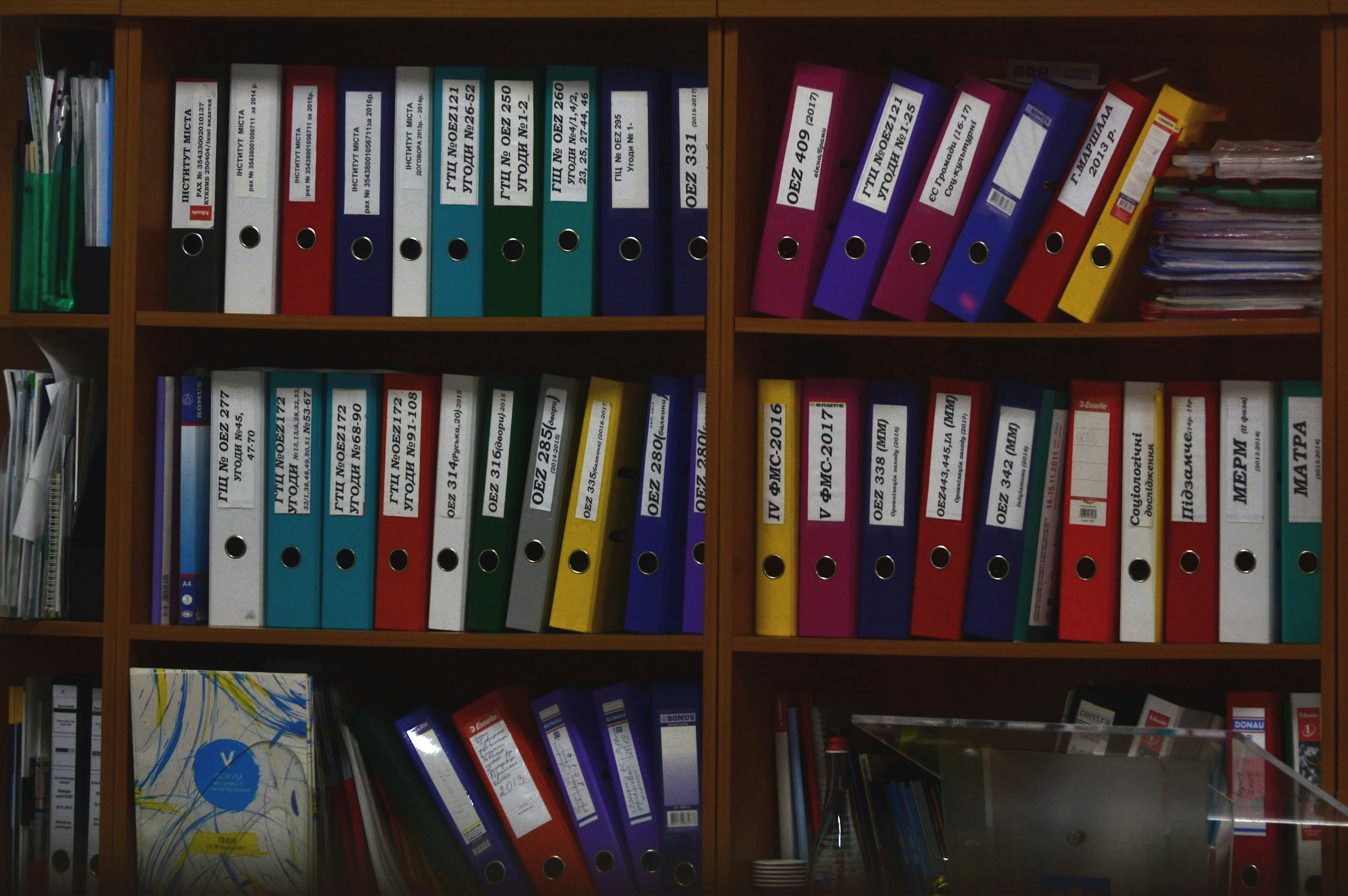
Why organizing your files comes well before doing any sort of AI
A Seagate study of 1,500 enterprise leaders found 68% of business data went unused in 2020. AI amplifies whatever state your files are in. If SharePoint is a graveyard of duplicate presentations and orphaned project sites, AI just indexes the mess faster. File organization is not a nice-to-have before AI adoption. It is a prerequisite.

Claude Artifacts: the feature that changes everything
Anthropic built Claude Artifacts as living documents that evolve through conversation. Instead of copying and pasting between tools, you create everything from code to landing pages in a workspace that iterates naturally. With over half a billion created, most teams still miss this feature.